
How Pennsylvania Can Protect the Environment, Lower Costs, and Prepare for Data Centers: A Conversation with Katie Blume

When I sat down with Katie Blume, political and policy director at Conservation Voters of Pennsylvania, one theme kept coming up: Pennsylvania’s biggest environmental fights are also economic fights. From electric bills and drinking water to data centers and grid oversight, the stakes are personal, local, and immediate. In this conversation, Katie explains why environmental justice is not a side issue, why data centers need guardrails now, and how Pennsylvania can avoid repeating the mistakes of the fracking era. If you want to understand what’s at stake for clean energy, climate policy, and the 2026 election in Pennsylvania, this is the place to start.
Why Environmental Justice Is Really About Everyday Life
Katie’s path into environmental advocacy makes sense once you hear how she talks about it. For her, it is not abstract, and it is not separate from other issues like health care, education, or voting rights.
She describes her advocacy as something she almost inherited. More importantly, she sees environmental justice as something people notice only when it becomes impossible to ignore – when their utility bill rises, when their water quality changes, or when pollution starts affecting their neighborhood.
“People are finally starting to tie their electric bills to clean energy.”
That connection matters. A lot of people still think of climate policy as something distant or ideological. Katie’s point is that the environment touches the basics of daily life: what you pay for electricity, whether your community stays safe during extreme weather, and whether you can trust the water coming out of your tap.
This is also why she pushes back on the idea that environmental policy is somehow less important than other public priorities. In her view, it belongs in the same conversation as healthcare and education.
That framing is useful because it shifts the debate from values alone to practical consequences. Pennsylvania is already feeling the pressure of more extreme weather, older infrastructure, and rising costs. If environmental policy is treated like a luxury issue, communities end up paying later – often in higher energy bills, more repairs, and greater public health risk.
Katie’s broader message is simple: if you care about affordability, you should care about environmental policy too.
Data Centers Could Become Pennsylvania’s Next Big Mistake
One of the most important parts of the conversation was Katie’s warning about data centers. She argues Pennsylvania has a chance to do now what it failed to do during the fracking boom: set guardrails before the harm is already widespread.
That lesson comes from painful experience. During the fracking rollout, Katie says the state did not regulate aggressively enough. Communities were left with poisoned water, unclear accountability, and long-term environmental damage that could have been reduced with stronger oversight. The data center issue is different in form, but similar in structure. Huge companies want to build fast. They want access to land, power, and infrastructure. And unless Pennsylvania sets rules early, communities may be left to absorb the costs.
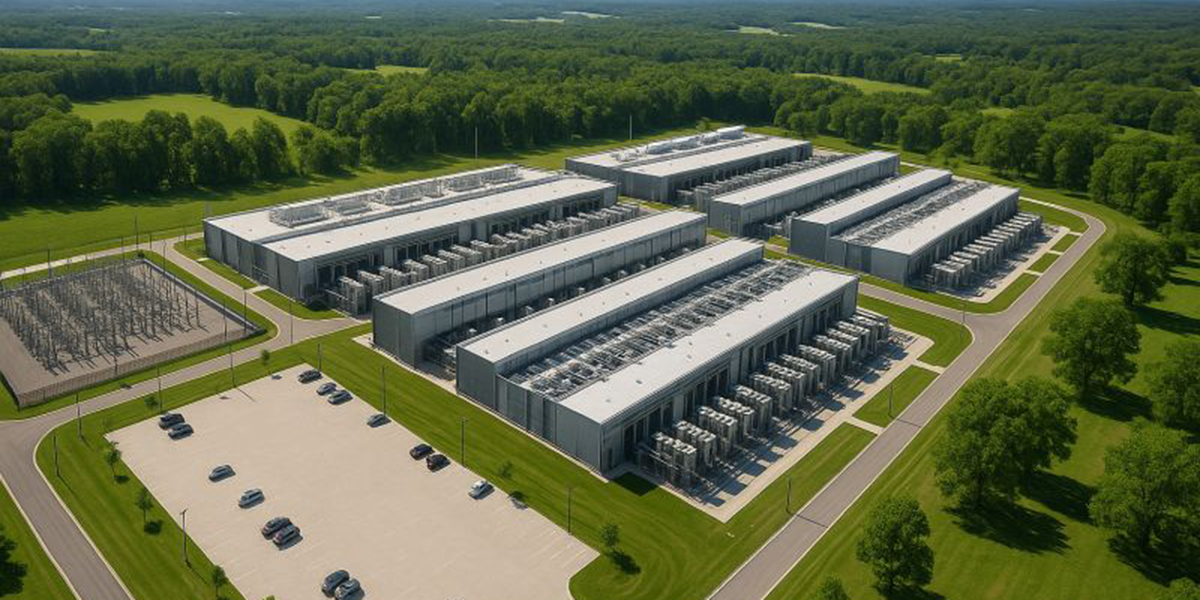
Katie says Conservation Voters of Pennsylvania is focusing on the regulatory side of the issue – not because that is the only lane, but because it is the one most likely to protect communities. That includes stronger guardrails on siting and development, local zoning support for municipalities, reporting requirements, limits on pushing costs onto residents, and protection for low-income energy programs like LIHEAP. She also points out a legal and financial reality that gets overlooked. Municipalities often do not have the money to fight giant corporations in court. That means local rules have to be written carefully, or they could become vulnerable to legal challenge.
Climate Change Is an Economic Issue, Not Just an Environmental One
Katie is blunt about this: climate change makes everything more expensive.
That includes utilities, stormwater management, infrastructure repair, and public health costs. It also includes the longer-term economic burden of disasters that hit communities harder and more often. A major part of the conversation focused on the fact that Pennsylvania cannot separate climate policy from economic policy. If flooding gets worse, municipalities have to spend more on stormwater systems. If the grid becomes more strained, families pay more on their electric bills. If toxic pollution spreads, communities lose money in health care costs and reduced quality of life. Katie also ties this to the politics of energy subsidies. She pushes back on the argument that renewable energy should not receive support if it is truly competitive. Fossil fuels, she notes, have long benefited from public support. In other words, the market has never been a perfectly neutral arena.
This section of the conversation also turned to jobs, which is where her approach becomes especially practical. She talks about working with labor unions, the blue-green coalition, and workforce development partners to make sure the clean energy transition creates good jobs – not just cleaner power. That includes solar for warehouses and schools, union pathways into clean energy work, infrastructure jobs tied to climate resilience, and training programs for veterans and new workers. Katie’s point is not just that climate action can create jobs. It is that Pennsylvania can choose to build a cleaner economy that is also a stronger labor economy.
Why the 2026 Election Matters So Much for Environmental Policy
If there was one political throughline in the conversation, it is this: none of these policies move without legislative power. Katie repeatedly comes back to the reality that Pennsylvania is split between a Democratic House and a Republican Senate. That split creates gridlock, especially on environmental issues. It also means the outcome of the next election has direct consequences for clean energy, environmental regulation, and local community protection.
She points to the importance of the Environmental Scorecard from Conservation Voters of Pennsylvania, which ranks lawmakers based on their votes over time. Her argument is that voters should use that scorecard (which will be available at https://www.conservationpa.org/ on August 19th) to see who consistently protects the environment and who does not. Katie’s view is that if you want stronger environmental oversight, better public health protections, real clean energy policy, voting access protections, and faster movement on climate legislation, you need elected officials who will actually vote for those things.
The Best Environmental Work Starts With People Who Keep Showing Up
Toward the end of the conversation, Katie talks about what keeps her going. The answer is not flashy, and that is what makes it credible. She says hope comes from seeing people show up – at webinars, at lobby days, in local organizing, and in everyday advocacy. She is not pretending Pennsylvania will fix itself. She is saying the opposite: for Pennsylvania to have clean air, clean water, lower costs, and a fairer energy future, people need to stay involved, show up in every election, and vote.