
Margaret Burke’s Mission: How Personal Advocacy Can Shape Better Policy in Pennsylvania
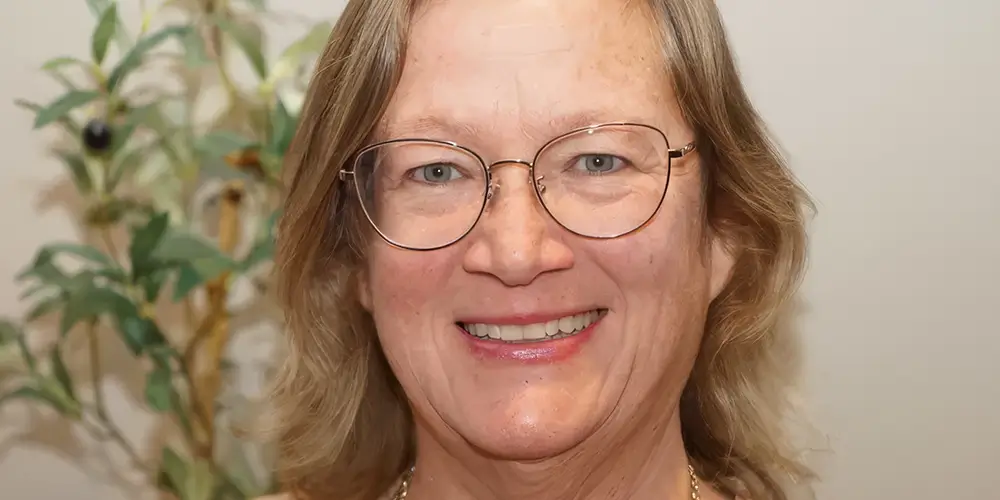
If you’re wondering how local politics can genuinely improve everyday life, Margaret’s story offers a powerful example. As a Democratic candidate for Pennsylvania State House, she brings both personal experience and public purpose to her campaign. Her perspective is rooted in years of advocating for her son, navigating complex support systems, and seeing firsthand where policy falls short for families who need help the most. What makes Margaret’s approach so compelling is that she does not speak about policy in the abstract. She connects it to real people, real families, and real obstacles. From healthcare access to education, from disability services to the cost of living, her campaign focuses on the issues that shape daily life across Pennsylvania.
A Personal Journey Into Public Service
Margaret’s path to politics began long before she ever ran for office. After her son was diagnosed with health challenges, she had to learn how to navigate a system that often feels overwhelming. Families dealing with disabilities and medical needs are frequently forced to become experts in paperwork, services, and eligibility rules just to get the support they deserve. That lived experience shaped her into an advocate. Over time, advocacy turned into a broader commitment to public service. Margaret saw that many of the barriers families face are not just personal problems, but policy problems. When systems are confusing or inaccessible, the solution is not for families to work harder – it is for lawmakers to build better systems.
Why Support Systems Need to Be Simpler
One of Margaret’s biggest concerns is how difficult it is for families to access services in Pennsylvania. There are programs designed to help, but they often come with complicated rules and multiple layers of bureaucracy. Parents can easily get lost between early intervention, school district services, and adult support programs. This is where better policy matters. Margaret believes the state should do more to simplify access, reduce confusion, and make support easier to find. Families should not have to fight through a maze just to get help for their children. Clearer systems would save time, reduce stress, and ensure that more people receive support sooner.
The Bigger Political Picture
Margaret also speaks openly about the broader legislative challenges in Pennsylvania. Political gridlock can slow down meaningful change, especially when different parts of government are controlled by different parties. In her view, that makes it harder to pass reforms that would benefit working families, seniors, and people with disabilities. She sees progress as requiring both strategy and persistence. That means building coalitions, encouraging voter participation, and pushing leaders to prioritize practical legislation over partisan standoffs. Her message is simple: if residents want better outcomes, they need to stay engaged and support candidates who are willing to fight for them.
The Cost of Living Matters Too
Alongside healthcare and education, Margaret is focused on economic fairness. Rising utility bills, low wages, and high everyday expenses are putting pressure on families across the state. She argues that Pennsylvania needs policies that reflect current realities, not outdated standards. For Margaret, this means tackling the cost of energy, supporting fair wages, and making sure corporations pay their share. It also means being honest about how inflation and low income affect seniors, workers, and families trying to get by. Her campaign connects economic policy to quality of life in a direct and relatable way.
Leadership Rooted in Real Life
What stands out most about Margaret is that her leadership comes from lived experience. She is not just talking about policy because it sounds good in a campaign; she is talking about it because she has lived the consequences of weak systems and unclear support. That gives her message credibility and heart. It also makes her campaign feel grounded in the needs of the community rather than in political theory. Her story reminds us that good leadership often begins with empathy, then turns into action.
Final Thoughts
Margaret’s campaign is built around a simple but powerful idea: people deserve systems that work for them. Whether the issue is disability services, healthcare access, education, or fair wages, her approach is focused on making life easier and more equitable for Pennsylvania families. Her story shows that personal experience can be a strong foundation for public leadership. When candidates understand the challenges people face in everyday life, they are better equipped to create change that actually matters.