
How A Pennsylvania Mom Is Turning Social Media Into Political Power: A Conversation with Brittney Pagone
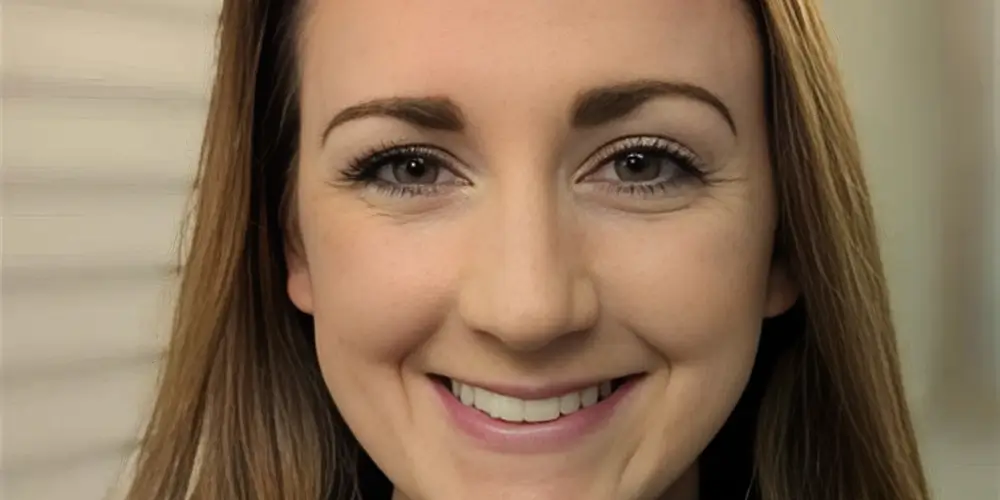
When I sat down with Brittney Pagone, nurse, mom, and the voice behind PA Moms for Change, one thing became clear fast: you do not need to be a career politician to shape policy in Pennsylvania. You need conviction, persistence, and a willingness to speak up when public health, schools, reproductive freedom, and democracy are on the line. Brittney started as an ordinary Pennsylvania mom looking for an outlet. Three years later, she’s built a large political platform, confronted elected officials, and helped push conversations that are now showing up in Harrisburg. In this conversation, we talked about how she found her voice, why nursing changed the way she sees politics, and what Pennsylvania needs to do next if it wants to move forward.
How Brittney Pagone Went from Nurse to Political Organizer
Brittney did not set out to become a political creator. She said the Uvalde school shooting was a major turning point for her. Like many parents, she could not look at that tragedy and stay silent. That event, combined with COVID and seeing other state-based moms’ political accounts, pushed her to get active. She also did not do this alone. Brittney talked about connecting with other mothers across the country who were building similar platforms, including women in Texas, Oregon, and elsewhere.
That kind of peer network matters more than people realize. It gives you ideas, momentum, and the reassurance that you are not the only one trying to turn fear into action. If you know your community, understand what affects families, and are willing to show up consistently, you can become a political force long before you ever hold office. That is especially true in Pennsylvania, where local issues often become national ones.
Why Nursing Changed the Way She Sees Politics
One of the most compelling parts of this conversation was Brittney’s reflection on how nursing changed her worldview. She did not grow up politically progressive. In fact, she described being raised in a conservative home where Fox News and Rush Limbaugh were constant background noise.
Nursing exposed her to realities that conservative talking points could not explain away. She trained in Philadelphia, worked in Northern Virginia, and later in Pittsburgh. Across those settings, she cared for people from different racial, cultural, economic, and immigration backgrounds. She saw patients who needed interpreters, families trying to access WIC and social services, and people struggling to get basic help. That experience changed her.
Brittney described a gradual shift from Republican to independent and then, in 2020, to Democrat. The pandemic accelerated what nursing had already started. Watching public health turned into a culture war made her realize she no longer agreed with the party she had once been raised to support. That shift was not just about one issue. It was about values. She said she cares deeply about other people, and that the Republican worldview no longer matched that instinct. For her, Democratic politics aligned better with affordable healthcare, bodily autonomy, quality public education, and collective responsibility.
In other words, the shift was not just partisan. It was moral.
Public Health, Vaccines, and the Cost of Selfish Politics
A major theme in this interview was public health, especially vaccines and measles hesitancy. Brittney and Zeke both returned again and again to a central idea: public health only works if people stop making everything about themselves. Brittney said education is still the most useful tool when talking to people who are open to facts. She pointed out that the measles vaccine has been around for decades and is well studied. The problem, in her view, is not lack of evidence. It is fear, anger, and distrust. That distrust was amplified during the pandemic, when people reacted to masking and lockdowns as if public health had no right to ask anything of them. Public health is not just personal preference. It is collective responsibility.
Brittney’s answer on how healthcare providers should respond to vaccine hesitancy was realistic: educate when people are reachable, but recognize that some people are beyond a simple facts-and-figures conversation. That is important. Facts matter, but they are not always enough on their own. Sometimes what people need first is trust, consistency, and someone willing to speak plainly without pretending the issue is complicated when it is not.
Why Pennsylvania Needs a Trifecta
If there was one phrase that came up over and over in this conversation, it was the Trifecta. Brittney and Zeke kept circling back to the same point: if Democrats control the governor’s office, the State House, and the State Senate, Pennsylvania can actually pass the policies that voters say they want. That matters because right now, the House may move legislation, but the Republican-controlled Senate often blocks it. They discussed several issues where Pennsylvania voters seem ready for change, but legislative gridlock keeps getting in the way:
-
- Child care affordability – families need more accessible, affordable child care options and better pay for workers.
- Legal marijuana – the House has passed reform efforts, but the Senate has not followed through.
- Child abuse survivor justice – people who were already too old in 2019 to benefit from the expanded statute of limitations still deserve a path to justice.
- Data centers and community power – people across the political spectrum are increasingly worried about how these projects affect land use, transparency, and local control.
These are not fringe issues. They are bread-and-butter concerns for working families, parents, and communities trying to keep up with rising costs and shrinking trust in institutions. Brittney was especially energized by Governor Josh Shapiro’s executive order adding transparency and community requirements to data center permitting. She was even surprised to see the governor’s office using her own language in its public messaging. That is a good example of how social media advocacy can actually shape policy language. When creators keep repeating an issue, it starts showing up in official conversations. But Brittney was also clear that executive action has limits. Real change needs legislation. And for that, Democrats need more seats.
What Voters Should Take From This
The takeaway is simple: if you want different outcomes, you need different power structures. Pennsylvania does not just need better messaging. It needs enough elected Democrats to pass laws and defend them. That is why Brittney keeps telling people in her comments the same thing – do not stop at posting, and do not stop at complaining. Help flip seats.
What It Takes to Keep Showing Up
Brittney’s work is not glamorous. It is exhausting, repetitive, and often thankless. She gets hateful comments, sees misinformation spread online, and has to decide which fights are worth having.
Her strategy is practical:
-
- Assume some trolls are bots
- Block slurs and harassment fast
- Use settings to hide offensive words
- Stay focused on the audience that is actually reachable
That is a helpful reminder for any creator or advocate. You do not owe strangers endless emotional labor, especially when they are there to provoke rather than engage. What makes Brittney effective is not that she always sounds polished. It is that she sounds real. She explains policy in human terms. She connects complex issues to family life, school boards, hospitals, and everyday frustration. That is exactly why people listen to her. She is not trying to sound like a think tank. She is trying to help ordinary people understand what is happening to their communities – and what they can do about it.
You can follow Brittney Pagone on Instagram @PAMoms4Change