
Centre County Young Democrats Are Focused on Unions, Local Politics, and Getting Out the Vote: A Conversation with Mykhala Richner
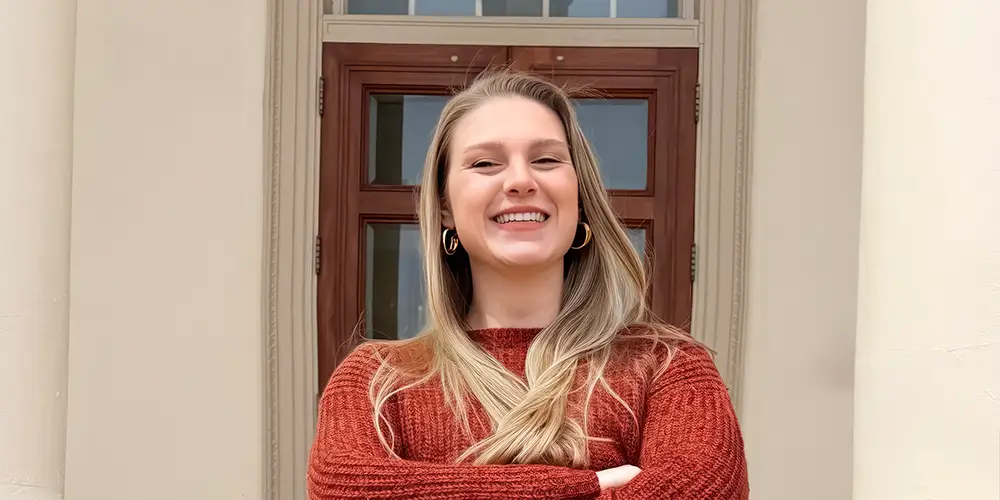
If you want to understand where political energy is coming from in Pennsylvania, talk to young organizers who are doing the work day to day. In this conversation with Mykhala Richner, president of the Centre County Young Democrats, one thing becomes clear fast: young voters are not asking for slogans. They want to be heard, taken seriously, and given real power at the table. Richner’s perspective is shaped by labor, community, and lived experience. From union organizing and local campaigns to healthcare safety and voter engagement, she makes the case that change starts close to home – and that young people are ready to lead it.
Young People Want More Than a Seat at the Table
One of the strongest themes in this conversation is simple: young people want to be listened to. Not talked down to. Not pandered to. Heard.
Richner said it plainly – many young voters and organizers are tired of politicians acting like youth involvement is symbolic instead of substantive. They want their concerns treated as real priorities, especially on issues like wages, family leave, and healthcare. That frustration is not limited to Pennsylvania. It is part of a larger feeling among younger voters that politics often moves too slowly and too far away from everyday life.
She also made an important point about age. “Young” does not mean inexperienced or uninformed. In her case, being 25 has already included a lot of life experience – organizing, advocacy, work in the community, and the kind of hard-earned perspective that comes from being in the fight. That matters because it challenges a lazy assumption: that leadership only counts if it comes from older people with longer resumes.
Richner’s view of representation is not abstract. It is about whether elected officials show up, answer questions, and make room for people who are usually ignored.
She said many young people are disillusioned because they feel shut out, especially when representatives avoid town halls or ignore accountability. That can lead to burnout and withdrawal. But her response is not to disengage – it is to push harder for participation, especially at the local level where people can actually be heard. That is a useful reminder if you are a young voter, organizer, or volunteer: you do not need permission to care about politics. You need access, consistency, and a way in.
Why Unions Are at the Center of Her Politics
Richner’s political identity is deeply rooted in labor. That is not a talking point – it is family history. She grew up in a household where unions were not a theoretical concept. Her father came home from union meetings with leftover pizza, and later, when a health issue forced him out of the job he wanted, the union stepped in and helped her family avoid a much harder outcome. That experience shaped how she sees democracy, work, and belonging.
For Richner, unions are not just about wages. They are about dignity, protection, and the difference between stability and crisis. That is part of why she sees the Democratic Party as the party that helps people – especially working people.
What Young Organizers are Fighting For
In the conversation, minimum wage and paid maternity leave came up quickly, and for good reason. These are not niche policy debates. They affect whether people can afford housing, raise children, and build a life in Pennsylvania.
Richner pointed out that even a $15 minimum wage is still not enough in many places to buy a home or keep up with the cost of living. She also emphasized how behind the United States is on postpartum support, describing how quickly new parents can be expected to return to work. The broader point is that working-class people are being asked to do more with less, while policy moves too slowly to catch up. That is why local labor organizing matters. Richner and her chapter are not just cheering from the sidelines. They are building relationships with unions, showing up for strikes, and using their platform to pressure elected officials.
One of the clearest examples of that work is the solidarity picnic her chapter is hosting. The event is designed to bring together local unions, candidates, and elected officials for a real conversation about what support actually looks like. That detail matters because it shows the difference between symbolic allyship and practical organizing. Richner is not talking about unions as a slogan. She is helping create a space where workers can say what they need, and where candidates can hear directly what support looks like in practice.
For first-time candidates, she also described a less visible but critical form of support: covering mailers, helping with gas, staffing canvasses, and easing the financial burden that often makes local campaigns so difficult. That kind of mutual aid is what political infrastructure looks like on the ground.
Local Politics Is Where People Feel the Impact First
If there was one phrase that kept surfacing in the conversation, it was this: all politics is local. Richner and Zeke both returned to the idea that the decisions affecting your daily life – schools, hospitals, wages, safety, local ordinances – are often made far away from the national spotlight. That is why she keeps her focus on county committees, borough meetings, door knocking, and local races. She spoke about working with local leaders who actually listen, including elected officials who make time for young organizers and community members. Those relationships are part of what keeps people engaged. When younger people see that their efforts matter, they are more likely to stay in the fight.
Richner is also realistic about what happens when people get discouraged. Some young people leave politics entirely because they feel rejected too often. Others assume national elections are the only ones that matter and tune out everything else. Her answer is to scale engagement to what you can handle. If you cannot do everything, do something. Show up to a council meeting. Knock a few doors. Make a donation. Volunteer for one event. Stay involved enough that bad policy does not slip through unnoticed. That is a powerful frame because it makes civic life feel manageable. You do not need to become a full-time activist to matter. You need consistency, attention, and a willingness to keep showing up.
Healthcare, Safety, and Why Public Policy Feels Personal
Some of the most memorable parts of the conversation came from Richner’s work around healthcare and workplace safety. Her boyfriend is an ER nurse in rural Pennsylvania, and through his experiences she has seen how politics affects care in very direct ways. She described hospital workers dealing with exposure scares, unsafe conditions, and administration that does not always take staff concerns seriously.
In one example, union workers at Mount Nittany Medical Center went on strike after their contract expired and negotiations stalled. Richner spoke about the disrespect workers faced and the consequences of management not taking their concerns seriously. The message was clear: policies about staffing, wages, safety measures, and union power are not abstract. They determine whether workers can do their jobs safely and whether patients receive quality care.
Hospitals Should be Safe for Everyone
Richner also highlighted something that should sound obvious but often gets ignored: hospitals should be safe for everyone. That includes nurses, techs, maintenance workers, patients, and visitors.
She pointed to practical fixes like metal detectors in emergency rooms and more security in high-risk spaces. These are not dramatic asks. They are common-sense protections. But as she noted, even these kinds of safety measures can become political when institutions refuse to invest in them. That same theme extends to vaccines, patient care, and worker protection. Once public health starts getting filtered through ideology, people in healthcare pay the price. Richner’s frustration reflects a broader truth: politics shapes whether institutions protect people or put them at risk.
What Gives Her Hope – and What You Can Learn From It
Despite all the frustration in the system, Richner is not cynical. What gives her hope is local community. She talked about growing up in Bellefonte, moving through neighborhoods where people looked out for one another, and seeing that spirit still alive in nonprofits, small businesses, and neighbors who help each other regardless of party. That kind of civic memory matters. It reminds people that political identity does not have to erase human decency. She also finds hope in changing attitudes. Even some people far to the right, she said, are starting to recognize when national politics is not serving them. That does not erase the divide, but it opens the door to real conversations.
Richner’s answer to the next few years is not burnout. It is pacing. She lives with POTS, which affects her energy, temperature tolerance, and stamina, and she has had to learn how to manage that while staying active in politics. Instead of treating that as a reason to stop, she has adapted. She rests when she needs to. She leans on her community. She asks for help when necessary. And she keeps working.
That may be the most practical takeaway from the whole conversation. Sustainable political work is not about pushing yourself until you collapse. It is about building habits, teams, and routines that let you stay in the game long enough to matter.